
Physiotherapy for Hypermobility in Lower Sackville
If your joints move further than most people’s, you have probably been told you are just flexible, or double jointed, and left to get on with it. For plenty of people that is fine. For others it means joints that ache after an ordinary day, knees or shoulders that feel like they might give way, ankles that keep rolling, and a tiredness that nobody seems able to explain. Physiotherapy can help with all of that, and the approach is quite different from what most people expect.
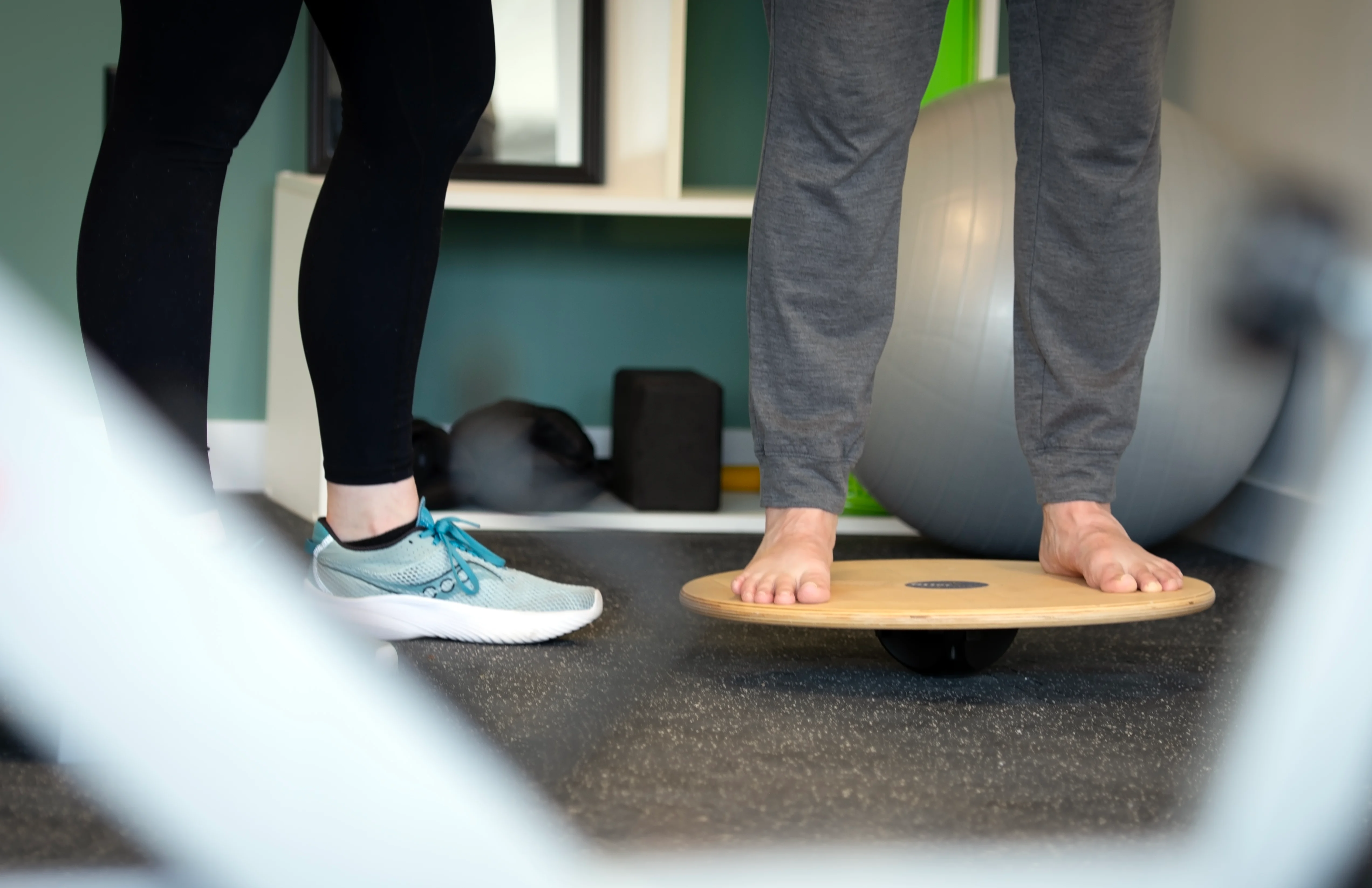
What hypermobility actually means for your body
A hypermobile joint moves beyond the range most joints do. The ligaments that would normally act as a check point are more giving, which means the muscles around the joint have to do more of the work of holding things in place. When those muscles are strong and well coordinated, most people manage very well. When they are not, the joint ends up resting at the very end of its range instead of being controlled through it, and that is where the aching, the instability and the repeat injuries come from.
It also tends to affect how well you sense where a joint is without looking at it. That sounds minor and it is not. It is why hypermobile people often describe feeling clumsy, or find that an ankle rolls before they had any warning it was going.
Why stretching is usually not the answer
This is the part that surprises people. If you are sore and stiff, stretching feels like the obvious fix, and it is what most of us have been told to do our whole lives. But if you already have more range than you can control, adding range does not help. It often makes things worse, because it takes a joint further into territory the muscles cannot manage.
What helps is the opposite: building strength and control through the range you already have, so the joint is held by muscle rather than by ligament at the end of its travel. That is slower and less immediately satisfying than a stretch, and it is the thing that actually changes how your joints feel six months from now.
What people come to us with
- Joint pain that shows up after ordinary activity rather than after anything unusual
- Knees, shoulders, ankles or hips that feel unstable or give way
- Repeated sprains and strains in the same joints
- Neck and back aching from holding positions rather than from injury
- Difficulty building strength in the gym without something flaring up
- Fatigue that follows activity and takes longer than it should to settle
- Pain that has been dismissed because scans and tests came back clear
What we work on
- Strength through range, not just at the easy middle of it, so the joint is supported everywhere it goes.
- Joint position sense, the awareness of where a limb is without watching it, which is often the missing piece.
- Control and coordination, so movement is driven by the right muscles in the right order rather than whatever fires first.
- Load management and pacing, because the boom and bust pattern of a good day followed by three bad ones is one of the biggest things holding people back.
- Practical adjustments to how you sit, stand, lift and train, so daily life stops working against you.
What to expect at your first visit
We start with a proper conversation. What hurts, when it started, what makes it worse, what you have already tried and what you actually want to get back to. If a doctor has given you a diagnosis or any instructions, bring them and we will work alongside them.
Then we look at how you move. Where you are relying on the end of a joint’s range, where the strength gaps are, and which joints are doing work that belongs to something else. From there you get an explanation of what is going on and a plan you can actually manage, rather than a sheet of exercises you will abandon in a fortnight.
We will also be honest about the timeline. This is not a two visit fix. Building strength and control takes months, and the progress is real but gradual. You should expect to be doing most of the work between appointments, with us adjusting it as you go.
Why book at Radius
You see the same physiotherapist throughout, which matters a great deal here. Progress with hypermobility is measured against where you were two months ago, not last week, and that only works when someone remembers what you looked like at the start.
We also keep our appointments unhurried. If you have spent years being told there is nothing wrong because the scans are clear, the first useful thing is usually someone taking the time to look properly and explain what is actually happening.
Massage therapy, dry needling and acupuncture are all available in the same clinic if they help with the muscle tension that tends to build up when joints are working hard to stay stable.
Coverage and billing
No referral is needed to see a physiotherapist in Nova Scotia, so you can book directly. Physiotherapy is covered under most extended health plans, and we direct bill most insurance companies, so in most cases you pay only your portion at the end of the visit. If you are not sure what your plan covers, call us and we will help you check.
Still not sure? Call us at 902-864-4555.
Common questions
Do I need a diagnosis before I come in?
No. Plenty of people come to us having only ever been told they are very flexible. We work with what we find in the assessment.
Should I stop stretching completely?
Not necessarily, but it usually stops being the main thing. We will talk through what is worth keeping and what is working against you.
Can I still go to the gym?
Yes, and for most people it is one of the best things they can do. The difference is in how you load, how you progress and which movements you build around. We will help you sort that out rather than telling you to stop.
How long before I notice a difference?
Usually weeks for how things feel and months for lasting change. We will give you an honest estimate at your assessment and update it as we go.
Do I need a referral?
No. Physiotherapy is direct access in Nova Scotia.
Related services
Book an assessment
Book a physiotherapy appointment online in a few clicks, or call us at 902-864-4555. If your joints have been sore for years and nobody has looked at how you move, that is exactly what the assessment is for.